
Buying a newly built home is exciting, but new construction always needs a careful look before the keys change hands. Even well-managed builds involve dozens of trades working at different times, and small mistakes or unfinished work can easily slip through. A professional inspection gives homeowners a clear understanding of the home’s condition, and it provides solid documentation for Tarion warranty claims during the first year.
Why new construction inspections matter
A new home is not the same as a finished or fully proven home. The materials are fresh, the systems are newly installed, and the house has not yet experienced a complete cycle of seasons. Drywall and trim have not had time to settle. Mechanical systems have not been tested under regular daily use. Exterior components have not experienced wind, rain, freeze–thaw cycles, or summer humidity. These early months often reveal minor issues that are normal in new construction but still essential to address, giving homeowners peace of mind that potential problems are identified early.
An independent inspection checks how well major systems like ventilation, insulation, and plumbing are installed and functioning, ensuring safety and catching early deficiencies, not criticizing the builder.
A new-construction inspection creates a clear record for Tarion warranty timelines. It helps document concerns early, making it easier for the builder to address minor deficiencies before they become larger issues.
In short, a new home inspection provides clarity, protects your warranty rights, and helps you move in with confidence, knowing the home has been reviewed carefully before the first season of real use. This thorough review process aims to make homeowners feel secure and assured about their new home’s condition.
Understanding Tarion warranty protection and new construction
Tarion oversees new home warranties in Ontario, and the timelines are strict. The first year of coverage covers workmanship, materials, finishes, and anything that prevents the home’s everyday use. The second year focuses on plumbing, electrical, heating and cooling systems, and water penetration through windows, walls, or foundations. The seven-year warranty covers major structural defects, such as foundation movement or significant issues with load-bearing components.
Because Tarion relies on written documentation, a professional inspection provides valuable evidence to support a homeowner’s claim if something needs to be corrected.
The Pre-Delivery Inspection (PDI)
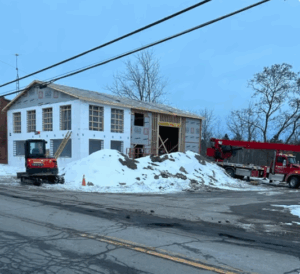
A new build during the early framing stage.
The PDI happens just before possession and sets the baseline for everything that follows. During this walkthrough, the homeowner and builder go through the home and record anything incomplete, damaged, not working correctly, or missing. This includes finishes, flooring, cabinetry, electrical fixtures, plumbing fixtures, windows, doors, and visible mechanical components.
A key detail that many buyers do not realize is that the builder is not required to point out defects. The builder will demonstrate how to operate the home’s systems, but they do not have to identify workmanship concerns or cosmetic issues. The responsibility falls entirely on the homeowner to notice and document any problems. Items that are not reported may be challenging to claim later unless they were hidden or otherwise invisible during the walkthrough.
This is why many homeowners choose to bring in an independent inspector for the PDI. A trained eye can spot issues that the average buyer may overlook, and the report can serve as valuable evidence if anything needs to be addressed under warranty.
Early warranty inspection
Once the homeowner moves in and starts using the home, other issues often appear. Leaks, ventilation problems, HVAC imbalances, nail pops, settling cracks, and minor installation concerns tend to show themselves only after the home is lived in. An inspection around the thirty-day mark helps the homeowner prepare their first Tarion warranty form with accurate information and precise documentation.
The one-year warranty inspection
By the end of the first year, the home has gone through a complete cycle of weather. This is the best time to check the roof, flashing, exterior cladding, grading, attic insulation and ventilation, windows and doors, foundation settlement, and the overall performance of mechanical systems. Seasonal movement and moisture will have revealed any developing concerns. The one-year inspection often becomes the most crucial report for Tarion submissions because it captures problems that were not visible at possession.
Common issues found in new construction
New builds tend to share similar early-stage problems. Grading can sometimes direct water toward the home rather than away from it. Attic insulation may be uneven or blocked by misplaced materials. Roof flashing can be incomplete or loosely installed. Caulking may be thin or missing around key areas. Flooring gaps, inconsistent tile lines, reversed plumbing supply lines, ventilation concerns, and minor electrical issues are all common. These problems do not necessarily indicate poor construction, but they should be documented so the builder can correct them under warranty.
How new construction inspections support the homeowner
A professional inspection provides an independent assessment, written in clear language and supported by photographs. It helps the homeowner understand what is normal and what requires attention. It also prevents misunderstandings about what was visible at the time of possession. Many homeowners choose to schedule a brief follow-up once the builder completes repairs to confirm that the work meets proper standards.
When to schedule inspections
The most effective times to book new-construction inspections are during the PDI, around the 30-day mark, and at the end of the first year. Should the homeowner notice serious water, electrical, or structural concerns earlier, an immediate inspection is recommended to raise the issue with both the builder and Tarion within the required timelines.
Frequently asked questions
Do I really need a new construction inspection if the home is brand new?
Yes. New homes are built quickly and involve many trades. A professional inspection identifies defects, incomplete work, and installation issues that are easy to miss during a casual walkthrough.
What is the PDI, and why is it important?
The Pre-Delivery Inspection takes place just before possession. It is the homeowner’s chance to document visible problems. The builder is not required to point out defects, so the responsibility falls on the homeowner. Anything not recorded may be more complicated to claim later.
Can an inspector attend the PDI with me?
Yes. Many homeowners hire an inspector to attend the PDI. A trained inspector can identify issues that are not obvious to the average buyer and provide written documentation that supports warranty claims.
What does a new construction inspection include?
It includes a full review of visible structural elements, roofing details, accessible insulation, windows, doors, plumbing fixtures, electrical components, ventilation, heating and cooling systems, interior finishes, grading patterns, and signs of water penetration or installation errors.
Does Tarion require me to get an inspection?
No. Tarion does not require inspections, but it relies on clear documentation. Independent inspection reports are often helpful when submitting warranty claims.
When should I schedule inspections during the first year?
The best times are during the PDI, around the thirty-day mark, and at the one-year point. Each stage reveals different issues.
Will the inspection identify hidden defects behind walls?
No. Inspectors do not open walls or remove finishes in a new build. The inspection focuses on visible defects, functional issues, and early signs that something may not have been installed correctly.
What happens if the builder does not fix something?
Homeowners can file the appropriate Tarion warranty form. Tarion may require the builder to repair defects if they are covered under warranty. Inspection reports help support the homeowner’s claim.
Can a new home fail an inspection?
No. Even a new home cannot fail an inspection. A new-construction inspection is not a pass-or-fail test. It is a detailed review of the home’s condition at a specific moment in time, so any issues can be documented while the builder is responsible for addressing them. Most new homes have minor deficiencies, incomplete items, or standard adjustments in the final stages of construction. The purpose of the inspection is to record these issues clearly, so you feel empowered to understand and manage your home’s warranty process. The aim is to give you a clear understanding of the home before you move in, not to assign a grade.
Is it worth getting another inspection after the builder completes repairs?
Yes. Many homeowners schedule a short follow-up visit after the builder completes repairs. This type of visit is focused and efficient. It confirms that the items identified in the original inspection have been adequately addressed and that no new concerns have arisen as a result of the work. A follow-up is beneficial for repairs involving exterior drainage, roofing details, insulation and ventilation, plumbing corrections, or any related moisture issues.
Having a second look provides clear documentation, supports your Tarion warranty records, and gives you confidence that the work has been completed as expected before those timelines close.