
What Buyers Should Know:
Purchasing a home is exciting, but it also requires a clear understanding of what you are walking into. A home inspection is the moment when the property is viewed through a very different lens. Instead of finishes, staging, and layout, the focus shifts to the structure, the systems, and the home’s long-term health. The findings are based on what is visible and accessible on the day of the inspection. An inspection does not predict future performance, nor does it uncover what cannot be seen. When significant concerns appear, a specialist may be needed to continue the evaluation. This post explains the most common deal-breakers buyers may encounter during a home inspection, helping them feel more confident and informed about potential issues. Each one can affect safety, significant repair costs, or the home’s ability to perform as intended.
Structural movement and foundation deal breakers
The structure is the backbone of the home. When something is wrong in the foundation or framing, the consequences can be far-reaching. Inspectors look for significant cracks, heaving, sagging floors, shifting walls or visible repairs that suggest past movement. Some movement is normal, especially in older homes, but large or widening cracks, uneven loads or moisture affecting structural components can be severe. If the findings indicate instability, a structural engineer is often the next step, helping buyers assess the severity of the issue.

Step cracking in a block foundation is a common structural concern in the Kingston area.
Roof problems and attic warning signs.
A roof protects everything underneath it. When the roof is aging, leaking or poorly ventilated, the risk of interior damage increases. Inspectors look for missing or curling shingles, soft spots, sagging lines and flashing that appears loose or deteriorated. Inside the attic, water staining, mould, inadequate insulation, or blocked ventilation can reveal problems that are not obvious from the ground. Being aware of these issues helps buyers feel prepared to address future repairs.
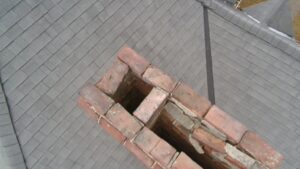
Chimney deterioration can allow water intrusion and heat loss.
Plumbing concerns
The plumbing system is one of the most common sources of household trouble. Slow drains, corroded lines, leaks under sinks, staining around fixtures, or signs of water damage inside the home often indicate issues that need attention. Older materials may be at the end of their service life. Inspectors also watch for do-it-yourself repairs that could fail over time. If there are ongoing leaks or signs of past flooding, buyers should consult a licensed plumber for a thorough review to help them anticipate future costs.
Electrical hazards
Electrical safety is critical. Outdated panels, crowded breaker boxes, exposed wiring, damaged receptacles or visible amateur work can be serious concerns. Inspectors check for proper grounding, safe wiring practices and components that appear to be at risk. Some issues can limit insurance coverage or prevent closing until they are resolved. When hazards are noted, an electrician is often needed to determine the exact cause and the extent of repairs. For more information on electrical safety guidelines in Ontario, visit the Electrical Safety Authority
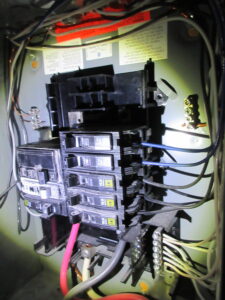
An electrical panel with missing components or improper grounding can pose serious safety concerns.
HVAC and mechanical deal breakers
Heating and cooling systems are essential in our climate. A furnace that does not start, an air conditioner that fails to cool or equipment with apparent rust, leaks or mechanical failure can all be deal breakers. Inspectors assess general operation, age, cleanliness and visible condition. They also look for improper venting, insufficient airflow and systems that appear neglected. Complete diagnostic testing is best handled by HVAC technicians when concerns arise.
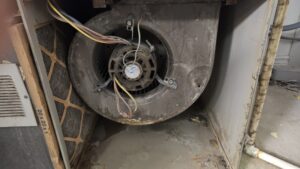
A failed or neglected blower motor can signal larger issues with an HVAC system
Moisture, water intrusion and mould
Moisture is among the most expensive and disruptive problems a home can have. Inspectors watch for musty odours, peeling paint, swollen materials, visible mould growth and staining that suggests past water penetration. They also evaluate grading around the home, drainage patterns, and vulnerable areas such as basements, crawl spaces, and attics. If moisture is present, specialists in waterproofing or mould remediation may be needed to determine the cause and the scope. Additional guidance on identifying and managing household moisture is available through the CMHC Moisture and Mould resource at https://www.cmhc-schl.gc.c
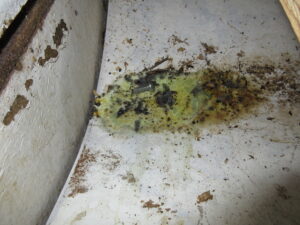
Visible mould at the base of a wall indicates that moisture has been present for an extended period, not just from a one-time spill.
Exterior envelope and siding issues
The exterior envelope keeps the weather out and protects structural components. Inspectors look for damaged siding, rotting trim, cracked masonry, loose or missing caulking and other points where water can enter. If the building envelope is compromised, repairs can range from simple patching to significant reconstruction, depending on the degree of deterioration. Evidence of pests, such as Rodents, insects, or other pests, inside the home or attic can indicate entry points or sanitation issues. Inspectors look for droppings, damaged insulation, chewed wiring or nesting materials. Pest problems often require professional treatment and follow-up repairs to seal openings.
Poor quality renovations or missing permits
When renovations appear unsafe or incomplete, they can affect both the home’s performance and the buyer’s confidence. Inspectors note visible issues with artistry, such as unsupported structures, makeshift electrical modifications, or plumbing that appears improvised. While inspectors cannot confirm permit status, visible red flags often lead buyers to consult the municipality or hire specialists to review the work. Understanding what an inspection can and cannot do.
A home inspection captures conditions at a single point in time. It is not a guarantee that problems will not appear later, nor is it a substitute for specialist testing. When major concerns arise, buyers often engage engineers, electricians, plumbers, or HVAC professionals to assess the extent of the issue. Deal breakers do not always mean a sale must collapse. They provide the clarity needed to make informed decisions about whether to proceed, negotiate repairs, or explore other options. A good inspection helps protect buyers by revealing risks that aren’t visible during a regular showing.
FAQ
What is considered a deal breaker during a home inspection?
A deal-breaker is an issue that significantly affects a home’s safety, structure, or long-term performance. Examples include major foundation cracks, failing roofs, electrical hazards or active moisture problems. Deal breakers do not always end a sale, but they require careful consideration before moving forward.
Does a home inspection cover everything in the house?
No. A home inspection is a visual assessment of what can be seen and safely accessed on the day of the inspection. Inspectors cannot open walls, move stored items or predict future failures. When an issue needs a deeper look, a specialist may be recommended.
If a serious issue is found, should I walk away from the purchase?
Not necessarily. Some issues can be repaired, and others can be negotiated with the seller. The inspection helps you understand the problem scope so you can make an informed decision. A specialist can confirm repair costs and long-term implications.
Can a seller refuse to fix problems found in the inspection?
Yes. Sellers are not required to complete repairs unless the agreement states otherwise. Buyers can request repairs or credits, accept the home as is, or decide not to proceed, depending on the offer terms.
How can I prepare for potential issues that may arise during an inspection?
The best approach is to expect that every home has imperfections. Older homes may show age-related concerns, while newer homes may reveal quality construction or maintenance issues. Understanding standard deal breakers helps buyers stay calm and focused throughout the process.
Don’t miss these guides:
Seeing the Unseen: Moisture, Mould and Thermal Imaging in Your Home
Attic and Insulation Issues in Kingston and Area Homes