
Understanding when a home inspection result requires a qualified specialist
A professional home inspection provides a clear picture of the visible and accessible components of a property. The inspector identifies conditions present on the day of the visit, explains their significance, and advises when further evaluation by a specialist is required. Clarifying when a general inspection suffices versus when a specialist is needed helps clients understand the scope and plan appropriate follow-up actions.
Homes throughout Kingston, Frontenac, Lennox and Addington, Leeds and Grenville, and the rural communities of Eastern Ontario vary widely in age and construction, which often means that an inspection frequently uncovers conditions that require more than one set of skilled eyes. The sections below outline everyday situations where a general inspection naturally leads to specialist involvement.
Why do inspectors and specialists have different roles?
Inspectors evaluate visible and accessible areas without opening sealed systems or performing destructive investigations. They do not disassemble HVAC components, open electrical panels that present hazards, or cut into walls. Specialists, on the other hand, work within a defined trade and have the authority to conduct technical testing, dismantle equipment, and complete repairs. The inspector’s role is to identify issues that require deeper review and to guide clients toward the appropriate professional, helping them feel supported and confident throughout the process.
Inspectors evaluate visible and accessible areas without opening sealed systems or performing destructive investigations. They do not disassemble HVAC components, open electrical panels that present hazards, or cut into walls. Specialists, on the other hand, work within a defined trade and have the authority to conduct technical testing, dismantle equipment, and complete repairs. The inspector’s role is to identify issues that require deeper review and to guide clients toward the appropriate professional, helping them feel supported and confident throughout the process.
When a home inspection identifies an issue that requires a specialist
Inspection findings generally fall into three categories: items functioning properly, items needing routine upkeep, and items with deficiencies that require specialist involvement. Recognizing issues like cracking or unsafe wiring early helps buyers make informed decisions and enhances safety, empowering them to act promptly.
Structural red flags that require an engineer
Structural issues are among the most critical findings during an inspection. Many homes in Kingston and the surrounding rural communities are more than a century old, and their foundations and structural systems often reflect changes over long periods of time. Older stone foundations, past renovations, and additions that place new loads on original structures can create movement that requires professional evaluation.

Rubble pier with settlement and inadequate support.
Movement may appear as cracks in brick, block, or mortar joints, and in some cases as displaced or failing lintels over doors and windows. A horizontal crack can signal lateral soil pressure. Floors may slope when joists are undersized or have been altered. Crawlspaces can include leaning piers, stacked materials used as supports, or deteriorated beams. Roof structures may also show signs of stress, including sagging lines, deflected rafters, or damaged trusses.
For homeowners who want to understand how Ontario regulates structural safety, the Ontario Building Code provides clear standards.
Who to contact
These conditions require the opinion of a structural engineer. An engineer can determine the cause of the movement, outline corrective action, and provide documentation that contractors and lenders rely on. The inspector’s role is to recognize the pattern of concern and recommend an engineering review, emphasizing a team effort to ensure safety and proper resolution, thereby reassuring clients that a thorough process is in place.
Moisture and water intrusion concerns
Moisture concerns are common across Eastern Ontario. Basements in Kingston and nearby communities often show signs of past or current water entry due to soil conditions, grading challenges, and aging drainage systems. Damp walls, efflorescence, musty odours, peeling finishes, and elevated moisture readings suggest active or historic intrusion. Moisture may come from improper grading, short downspouts, window well problems, plumbing leaks, roof penetration issues, or condensation caused by insufficient ventilation.
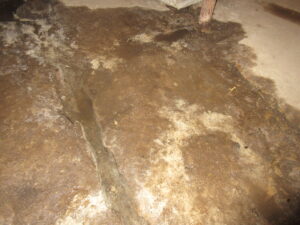
Signs of moisture intrusion in a basement floor and wall joint.
Determining the exact source of moisture requires specialized review. Foundation conditions vary from property to property, and exterior drainage systems are often complex to evaluate fully during an inspection. Interior finishes can also conceal pathways of water movement. CMHC offers a helpful overview of how moisture problems develop and how mould should be addressed safely.
Who to contact
Moisture-related concerns require further review by the appropriate specialist, who may include a foundation contractor, plumber, roofer, or environmental professional, depending on the source. For example, signs of active water intrusion, exposed wiring, or structural cracks should prompt clients to contact these specialists for a detailed assessment and repairs. The inspector’s role is to identify signs of moisture intrusion and direct clients to the appropriate trade for a thorough evaluation.
Wood stove and heat shield safety concerns
Solid fuel appliances are common in both rural and older Kingston homes, but they must be installed with proper protection. A missing or inadequate heat shield can expose combustible materials, including drywall, to excessive temperatures. This is a fire hazard and cannot be corrected by the inspector during a site visit. The inspection identifies the condition, documents the concern, and advises follow-up.
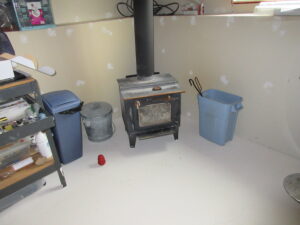
Missing heat shield behind a wood stove.
Who to contact
These conditions require the opinion of a certified WETT technician. A WETT professional can verify clearances, assess the need for proper shielding, and outline the corrective work necessary to ensure safe operation. The inspector’s role is to identify the hazard and recommend a specialist review. WETT Canada outlines the national safety requirements for wood-burning appliances, including clearances and heat-shield design.
Electrical issues that require a licensed electrician
Electrical safety is a priority in every inspection. Many homes in Kingston and the surrounding region contain older wiring methods, homeowner modifications, or outdated service panels. Inspectors often find missing junction box covers, exposed splices, double-tapped breakers, mixed aluminum and copper wiring, ungrounded outlets, reversed polarity, or signs of overheating. These issues can pose real hazards if left uncorrected.

Electrical panel reviewed as part of a standard home inspection.
Inspectors do not diagnose electrical systems internally. They document visible concerns that suggest unsafe or outdated conditions. Only a licensed electrician can confirm the integrity of wiring, verify grounding, and replace components that no longer meet current safety standards.
Who to contact
A licensed electrical contractor must review electrical concerns. Electricians have the training and authority to open panels, test circuits, correct wiring methods, and ensure the system is safe. The inspector identifies the hazard and advises the client to seek professional electrical evaluation and repair.
HVAC safety concerns, furnaces, boilers, and heat pumps
Heating and cooling systems operate under pressure and require specialized testing to confirm safe performance. During an inspection, visible conditions such as rust on furnace components, improper venting, leaking boiler valves, disconnected duct lines, condensate drainage issues, or unusual burner flames may suggest problems. These signs indicate the need for technical review.
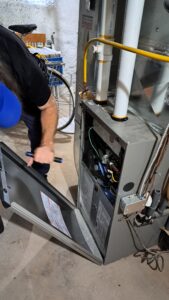
Equinox Furnace inspection
An inspector evaluates what can be safely observed without opening sealed compartments or conducting diagnostic testing. Internal furnace components, refrigerant levels, and combustion efficiency require a qualified technician. The Canada Safety Council provides practical guidance on preventing carbon monoxide exposure in homes with fuel-burning equipment.
Who to contact
A licensed HVAC technician or gas fitter should review HVAC concerns. These professionals can open sealed systems, test combustion and airflow, inspect internal components, and complete required repairs. The inspector identifies visible concerns and recommends that a technician verify the equipment’s condition. The Canada Safety Council provides practical guidance on preventing carbon monoxide exposure in homes with fuel-burning equipment.
Asbestos and other hazardous materials
Many older homes in Eastern Ontario contain materials that may include asbestos. Inspectors look for possible asbestos in pipe wrap, older duct insulation, boiler and furnace insulation, vinyl floor tiles, ceiling panels, textured finishes, and vermiculite in attic spaces. Inspectors cannot confirm asbestos visually. Proper testing requires a sample and laboratory analysis.
Potential asbestos should not be disturbed during inspection. Instead, it should be documented and flagged for proper assessment.
Who to contact
A certified hazardous materials contractor must review possible asbestos-containing materials. These specialists can collect samples safely, submit them for laboratory testing, and provide guidance on removal or encapsulation. The inspector’s responsibility is to note the material as suspect and recommend proper testing and remediation.
Radon and indoor air quality home inspection concerns
Radon is present in several areas of Eastern Ontario due to natural geological conditions. Inspectors observe risk factors that may allow radon entry, such as cracks in slabs, sump pits, crawlspaces without proper barriers, and older foundations. A general inspection does not include long-duration radon testing.
Radon levels vary by season, weather, and building use, so proper testing cannot be completed during a brief inspection.
Who to contact
Radon and indoor air quality concerns should be evaluated by a certified radon professional. These specialists conduct long-term tests, interpret results, and design mitigation systems where needed. The inspector identifies the potential risk and advises clients to complete formal testing.
Roofing and building envelope concerns
Roofing systems protect the entire structure. Inspectors often identify missing or damaged flashing, deteriorated roof shingles, poor roof-to-wall transitions, rusted vents, improper skylight installations, and signs of inadequate attic ventilation. In the attic, moisture staining, wet sheathing, or mould-like growth may indicate a building envelope issue.

Damaged asphalt shingles showing deterioration
Because underlying conditions are often hidden beneath roofing materials or behind drywall, a specialist is needed to confirm the source of a leak or ventilation problem.
Who to contact
A qualified roofing contractor should review roofing concerns. These professionals can access concealed areas, diagnose leak paths, replace damaged materials, and evaluate the overall condition of the roofing system. The inspector documents visible conditions and recommends proper roofing evaluation.
Exterior structures, decks, and wood components
Decks, porches, and exterior wood structures are exposed to weather year-round. Inspectors frequently find early signs of deterioration, such as rot in joists or posts, loose guardrails, improper stair construction, and ledger boards lacking proper fasteners. Siding and trim can also allow water entry when they begin to fail.
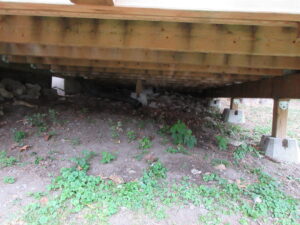
Deficiencies in deck support and framing require further review.
Exterior conditions must be evaluated with safety in mind because structural deterioration can progress without visible warning.
Who to contact
A qualified carpenter or deck specialist should review concerns involving exterior structures. These professionals can assess structural integrity, verify proper attachment methods, and complete repairs. The inspector identifies areas of concern and directs the client to a specialist who can evaluate the structure in detail.
Plumbing concerns and sewer issues
Plumbing systems vary widely depending on a home’s age. Inspectors may observe galvanized steel supply piping, leaking fixtures, improperly installed traps, slow-draining drains, compromised water heaters, or visible signs of past water damage. Inspectors do not perform pressure testing or sewer camera inspections during a general inspection.
Older systems or concealed plumbing defects require a licensed plumber to verify and correct.
Who to contact
A licensed plumber should review plumbing concerns. Plumbers can test fixtures, investigate slow drains, assess piping condition, and perform camera inspections of the main sewer line. The inspector identifies visible symptoms and recommends an appropriate plumbing evaluation.
Wells, pumps, pressure systems, and water treatment equipment
Rural properties often rely on private wells. Inspectors review visible components, including the pressure tank, wellhead, pump controls, lines running through unheated areas, and any visible water treatment equipment. They may observe corrosion, exposed wiring, poor grading around the wellhead, leaking fittings, or pump cycling issues. Inspectors do not dismantle well systems or perform laboratory testing during a general inspection.
Proper evaluation of well systems requires specialized training and testing beyond the scope of a home inspection.
Who to contact
Well, pump, and water treatment concerns should be reviewed by licensed well contractors, pump technicians, and water treatment professionals. These specialists can test pump performance, evaluate pressure systems, confirm the condition of treatment equipment, and conduct laboratory water-quality testing at accredited facilities. The inspector identifies visible concerns and advises clients to obtain a professional well and water system evaluation.
When more than one specialist is required
Some issues involve multiple systems. A roof leak that causes interior damage may require a roofer and an environmental consultant. Foundation movement may need both an engineer and a foundation contractor. Asbestos-wrapped heating pipes may require an abatement contractor and an HVAC technician. Water contamination concerns may require the services of pump specialists and water treatment professionals. The inspector helps clients understand the sequence of specialists needed and how the trades overlap.
How a home inspector guides the next steps
A home inspector provides an unbiased assessment of the home as it stands on the day of the inspection. The inspector identifies visible concerns, explains their significance, and advises when specialist involvement is needed. Inspectors do not perform repairs or guarantee the absence of hidden conditions. Still, they play an essential role in identifying early warning signs, improving safety, and helping buyers and sellers move forward with confidence.
Do most home inspections require specialists afterward?
Not usually. Most homes only need routine maintenance or minor repairs. Specialist follow-up is recommended when an inspector finds something outside the scope of a visual inspection, such as potential structural movement, unsafe electrical work, evidence of asbestos, significant moisture intrusion, or concerns with water treatment or well systems.
Why can’t inspectors diagnose everything on the spot?
A home inspection is a visual, non-invasive assessment. Inspectors are trained to recognize patterns that indicate a problem, but confirming the cause often requires tools, testing, or qualification beyond an inspection license. Engineers, electricians, HVAC technicians, and environmental specialists have the authority and equipment to perform diagnostic work.
What issues almost always require a specialist?
Structural movement, foundation displacement, unsafe wiring, gas leaks, asbestos-containing materials, furnace performance problems, water quality concerns, and high radon readings all fall into that category. These problems need testing, calculations, or repairs that only licensed tradespeople or engineers can provide.
Is a specialist opinion expensive?
It depends on the discipline and the issue’s complexity. In many cases, getting a precise answer early prevents higher costs later. Some specialists, such as HVAC technicians or electricians, will assess the problem during a service visit. Engineering reports cost more because they include analysis and stamped documentation.
Should I worry if an inspector recommends a specialist?
Not necessarily. It means the inspector is doing their job correctly. A specialist recommendation does not mean the home is unsafe. It means the inspector saw something that deserves expert clarification before you make a significant financial decision.
Can I still negotiate repairs based on specialist findings?
Yes. Buyers often use specialist reports to request repairs, price reductions, or credits. Sellers benefit as well because the report clarifies exactly what needs to be done, reducing uncertainty for everyone.
How quickly should I book a specialist after the inspection?
As soon as possible, especially during a conditional period. Some specialists, such as structural engineers and certified electricians, have busy schedules. Having documentation in hand keeps negotiations on track and prevents delays in closing.
What if the specialist says the issue is minor?
That is a good outcome. Many concerns turn out to be maintenance items or cosmetic problems. Specialist confirmation gives you peace of mind and a clear plan for the future.
Does the inspector coordinate specialists for me?
In most cases, no. The inspector identifies the concern and explains why follow-up is needed. Hiring the specialist is the buyer’s responsibility, though inspectors often provide guidance on whom to contact.