
Homes across Kingston and Eastern Ontario follow predictable patterns of inspection issues. The age of the housing stock, long freeze-thaw cycles, high humidity swings, and a mix of limestone, block, and poured concrete foundations all affect how our homes age. These issues are not meant to create alarm. They are simply part of owning a home in this region. A thorough inspection helps buyers and sellers understand what is routine, what requires attention, and when outside specialists should be involved.
This guide covers the issues I most often see in Kingston, Frontenac, Lennox and Addington, Loyalist Township, South Frontenac, and the surrounding rural communities. It reflects the realities of our climate, soil conditions, and the unique character of homes in this part of Ontario.
Structural movement in older Kingston homes
Kingston has many homes built from the mid-1800s through the early 1900s. These houses often sit on limestone or rubble foundations that have endured decades of seasonal expansion and contraction. Some settlements are regular in these structures.
I look for signs of active movement rather than historical. Common indicators include fresh cracking in plaster or brick, stair-step cracks in masonry, gaps forming between trim and walls, sloping or sagging floors, and sill plates separating from foundation walls. Moisture-softened mortar or inward bowing may indicate structural pressure or water influence.
If the inspection suggests more than cosmetic aging, a structural engineer should be consulted to assess the extent of movement and recommend repair options. Similarly, for electrical concerns like knob and tube wiring or aluminum wiring, a licensed electrician’s evaluation is essential before proceeding with repairs or purchases.
For many buyers, the idea of movement sounds alarming, but understanding that many older Kingston homes perform well with minor work can build confidence in your ownership or purchase decisions. Monitoring, minor repairs, or drainage improvements can help maintain stability. This knowledge enables you to feel more confident about your long-term plans.
Structural components, joists, and support posts
Many homes in Kingston and the area exhibit age-related wear on structural components, including joists, beams, posts, and beam pockets. During the inspection, I look for damaged or notched joists, sagging beams, rusted adjustable jack posts, unsupported spans, and DIY structural changes made during past renovations. Recognizing these issues helps homeowners understand potential risks and shows that their home safety is a priority. If structural concerns are noted, a qualified contractor or structural engineer should review the affected areas.
Ungrounded outlets, GFCI protection, and wiring faults
Older homes in Kingston and the area often have ungrounded two-prong outlets or mixed wiring that was never properly updated. During the inspection, I check receptacles with a tester to confirm grounding, polarity, and GFCI protection where required, helping homeowners feel more confident about their home’s safety.
Ungrounded outlets can increase the risk of shock and may not be suitable for many modern electronics. Recognizing issues such as incorrect polarity, open grounds, loose connections, and worn receptacles empowers homeowners to maintain a safe environment.

Outlet tester indicating a wiring issuet
Faulty outdoor outlets are commonly discovered, especially where weatherproof covers are missing or damaged. Suppose wiring faults, missing GFCIs, or ungrounded circuits are found. In that case, I recommend evaluation by a licensed electrician to correct the issue and confirm that the electrical system meets current safety standards, ensuring outdoor safety.
Knob and tube, aluminum, and other electrical wiring issues
Electrical systems in Kingston often reflect several generations of updates. Many older homes in Sydenham, Portsmouth, downtown Kingston, Barriefield, Bath, and surrounding rural areas still contain segments of knob and tube wiring. It was safe when installed, but today it poses several risks.
Knob and tube wiring has no grounding conductor. The rubberized cloth insulation becomes brittle after 70 to 100 years and can crack, leaving live wires exposed since the circuits were designed for lower loads. Understanding these risks helps you make informed decisions about electrical safety and repairs before purchasing or renovating.
Homes built in the late 1960s and early 1970s may contain aluminum branch wiring. Aluminum expands and contracts more than copper and can loosen over time if not terminated correctly. Many homes have a mix of copper and aluminum, sometimes spliced together improperly. Insurance companies and the Electrical Safety Authority closely monitor these risks.
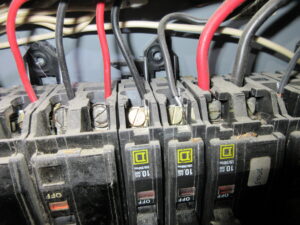
Aluminum wiring connections inside an electrical panel.
During the inspection, I review panel age, breaker capacity, grounding and bonding, signs of overheating, termination quality, and whether the system can safely support modern electrical demands.
If aging or unsafe wiring is identified, a licensed electrician should complete a full evaluation, and ESA involvement may be required.
From a buyer’s perspective, understanding electrical issues like knob and tube wiring or aluminum wiring helps you feel more in control of your insurance and safety decisions. Being aware of repair requirements before making an offer can reduce stress and increase confidence in your choices.
Attic ventilation inspection issues
Proper attic ventilation is essential for managing moisture and heat. Older homes may lack soffits entirely, while newer homes sometimes have soffits blocked by insulation. Bathroom fans that vent into the attic rather than outdoors are a common issue.
In winter, warm indoor air rising into the attic can condense on cold roof sheathing, leading to frost, mould, and staining. In summer, trapped heat accelerates shingle wear and increases cooling costs. I look for blocked vents, obstructed airflow paths, uneven insulation, and signs of past condensation.
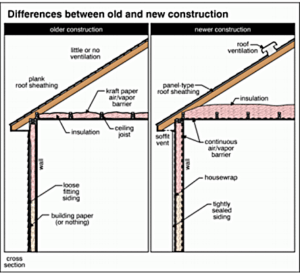
Older attics often lack continuous ventilation and proper airflow, which increases the risk of moisture and heat loss.
If moisture or mould is discovered, a roofing or ventilation specialist should be consulted.
In many cases, improving attic ventilation through simple steps like adding soffit vents or extending bathroom fans can help you feel proactive about extending your roof’s lifespan and preventing hidden moisture damage. This knowledge encourages you to take practical, manageable actions to protect your home.
Insulation gaps and heat loss
Insulation standards have changed significantly over the past several decades. Many homes built before the mid-1980s have minimal insulation in attics and walls. Even newer homes may have uneven coverage or materials that have settled over time.
Thermal imaging often reveals cold exterior walls, heat loss around attic hatches, missing insulation in knee-wall spaces, uninsulated rim joists, and areas disturbed by past renovations.
Improving insulation helps with comfort, energy efficiency, and moisture control. If significant heat loss or gaps are identified, an insulation contractor should be consulted to explore upgrade options.
In practice, targeted insulation improvements often start in the attic and the basement. Bringing attic insulation up to modern standards, sealing the hatch, and insulating rim joists can significantly improve comfort in winter and summer. For many homeowners, these upgrades pay off over time through lower heating and cooling bills and fewer temperature swings from room to room.
Drainage and grading problems
Managing surface water around the home is one of the most effective ways to prevent moisture in the foundation. Many homes have flat grading, settled patios, short downspouts, or older landscaping that directs water toward the foundation instead of away from it.
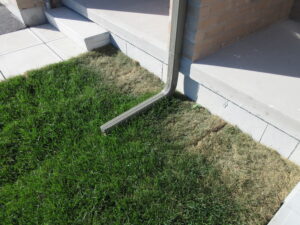
Downspouts that drain beside the wall rather than several feet away can keep the soil at the foundation wet, leading to basement moisture problems.
Typical findings include downspouts discharging at the foundation, negative grading caused by soil erosion, settled concrete that creates troughs, and clogged eavestroughs pushing water over the sides. In rural areas such as South Frontenac and Stone Mills, shallow or blocked swales may contribute to seasonal water pooling.
If drainage issues extend beyond simple improvements, a landscaper or drainage contractor can assist with regrading or reshaping swales.
Sometimes the most effective changes are also the simplest. Extending downspouts well away from the house, adding splash pads, re-sloping soil so that it gently falls away from the foundation, and keeping eaves troughs clean can all reduce water against the walls. Where driveways or walkways slope toward the structure, more involved work may be needed, but even then, addressing surface drainage is usually more economical than trying to fight water once it is already inside.
Foundation moisture and seepage
Basement moisture is quite common in Eastern Ontario, especially in older homes, those close to the lake, or in areas with a high water table. Poured concrete, block, and limestone foundations behave differently when exposed to water.
Poured concrete may develop normal hairline cracks, but seepage through larger cracks or cold joints requires attention. Block foundations can retain water in their hollow cores, leading to staining and damp areas inside. Limestone and rubble foundations naturally absorb moisture, but deteriorating mortar allows more water to enter.
I look for efflorescence, rust, water marks, spalling, damp odours, and signs of past flooding.
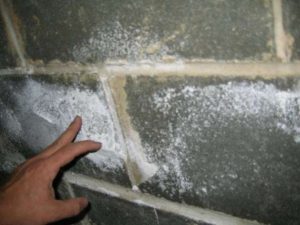
Efflorescence on a basement wall; while often just a cosmetic issue, efflorescence can also signal underlying moisture problems that may need addressing.
If seepage is active or worsening, a foundation or waterproofing specialist should be consulted.
When moisture is present, part of the process is to determine whether the problem is historic or ongoing, seasonal or year-round, and whether the inspection issues are minor or significant. Sometimes, improving exterior drainage, adding a dehumidifier, or sealing obvious gaps around services is enough. In other cases, more extensive work, such as interior drains, sump systems, or exterior waterproofing, may be recommended. Knowing where your basement falls on that spectrum is essential to making a purchase decision.
Plumbing and water supply concerns
Plumbing systems in Kingston and the area range from original galvanized steel and cast iron to copper to various generations of plastic supply and drain lines. Each material has its own strengths and weaknesses and may have specific inspection issues.
Older galvanized supply lines can corrode from the inside, reducing water flow and causing rust-coloured staining at fixtures. Cast iron drains can crack or corrode over time, especially at joints. Mixed materials, past repairs, and do-it-yourself modifications often create weak points that are more likely to leak. In some houses, plumbing has been added in stages, and venting or slope may not meet current standards.

Rusted cast iron drain pipe in an older stone foundation.
During an inspection, I look for signs of past or present leakage, evidence of corrosion, water staining in cabinets or ceilings, and areas where plumbing passes through unheated spaces that may be at risk of freezing. I also note the age and condition of supply lines to fixtures, shut-off valves, and exposed drain piping.
If significant corrosion, slow drains, or chronic leakage are identified, a licensed plumber should be consulted to evaluate repair or replacement options.
Wells and private water systems
Many rural and semi-rural homes in Eastern Ontario rely on private wells for their water supply. The most important part of evaluating these systems during a home inspection happens inside the house. I examine the pressure system, treatment equipment, flow consistency, and signs of leakage or deterioration.
I check the pressure tank for condition and confirm whether the system is cycling normally. Short-cycling, rust, moisture around fittings, or a tank near the end of its service life can all affect water pressure and pump performance. I also review the pressure switch, visible plumbing connections, and the system’s general layout to identify any apparent issues.
Many homes with wells also include water treatment equipment such as UV disinfection units, water softeners, iron or sediment filters, and reverse osmosis systems. I look for leaks, age, visible corrosion, bypass valves that are not working correctly, missing service indicators, and UV lamps that appear overdue for replacement. These systems need regular maintenance, and knowing their condition helps buyers understand what may require servicing after closing.
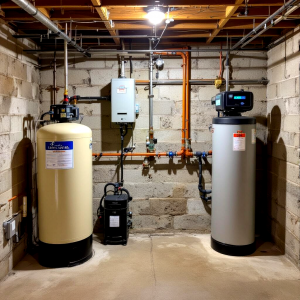
Example of a rural healthy water system with a pressure tank and treatment equipment.
I do not perform water quality testing during the inspection. I recommend that buyers complete a full potability test for bacteria and consider additional mineral or chemical testing, depending on the area. If water pressure is inconsistent, if the pressure tank or treatment equipment appears near the end of its life, or if the system shows signs of leakage or improper installation, a licensed well contractor or water treatment specialist should be consulted.
Roof wear, flashing gaps, and aging materials
Roofing issues appear frequently in inspection reports. Many roofs are nearing the end of their service life, especially in older neighbourhoods where replacement cycles vary widely.
Issues include curling or cracking shingles, granule loss, exposed nail heads, deteriorated plumbing vent flashing, worn valleys, and poorly sealed transitions. Improper flashing around chimneys is one of the most common sources of attic moisture.
If water intrusion or advanced deterioration is found, a qualified roofing contractor should review the roof and recommend repairs.

Damaged asphalt shingles showing deterioration
For buyers, the two key questions are how much life is left in the roof and whether there is any evidence of leakage now. Even if a roof is near the end of its service life, there are many situations in which a buyer can plan and budget for replacement over the next few years rather than walk away from an otherwise solid house. The inspection helps establish a realistic picture of the condition rather than relying solely on age.
Decks, balconies, and exterior structures
Inspection issues with decks and exterior structures are a common source of safety concerns in Kingston and the area homes. Recognizing these issues helps homeowners and stakeholders prioritize safety and maintenance to protect everyone.
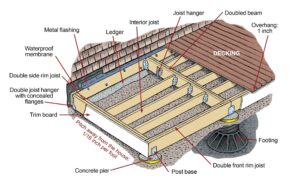
Illustration of proper deck structure, including ledger attachment, joist hangers, beams, and footings.
During the inspection, I look closely at the connection between the deck and the house. Signs of deck deterioration, such as rotting wood, damaged posts, sagging beams, and shifted or heaved footings, are critical indicators of structural risk. Recognizing these signs helps homeowners understand potential hazards and feel more confident in managing their property’s safety.
Railings are another frequent issue. Loose or wobbly railings, inadequate guardrail height, and baluster spacing that does not meet safety standards can all create fall hazards. When these issues are identified, a professional assessment can provide reassurance and clear guidance for repairs, helping homeowners feel supported and informed.
Because decks are exposed to moisture and extreme temperatures, problems often develop long before they become visible on the surface. If significant deterioration or structural concerns are present, a qualified contractor should review the deck and recommend repairs or replacement to ensure safety.
Moisture and humidity inside the home
Moisture issues inside the house can appear as fogging windows, peeling trim paint, staining on ceilings, or mould growth. High humidity can stem from lifestyle factors, older windows, insufficient ventilation, malfunctioning HRVs, or dryers venting into confined spaces.
I look for condensation patterns, lack of ventilation in bathrooms, mould-prone areas, disconnected duct work, and older exhaust fans that are no longer effective.
If persistent humidity or indoor air-quality issues are identified, an HVAC contractor should review the home’s ventilation systems.
In many homes, minor changes such as running bathroom fans longer, using kitchen exhausts, adding a dehumidifier in the basement, and servicing the HRV or ERV can make a noticeable difference. Keeping humidity within a reasonable range helps protect finishes, reduces the chance of mould growth, and improves overall comfort during both winter and summer.
Pest intrusion
Pest intrusion is common in both rural and urban homes across Kingston and the area. I frequently find signs of mice, squirrels, raccoons, carpenter ants, and cluster flies. Powder post beetles are sometimes present in older sheds or exposed wood structures.
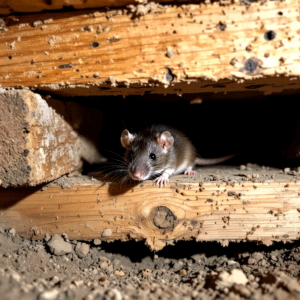
Rodent activity inside the wall framing.
In the attic, I look for nesting materials, chewed wiring, droppings, and gaps at soffits or roof edges. Carpenter ants tend to target damp or decaying wood, especially around windows, decks, and other areas prone to moisture.
If an active infestation is found, a pest control professional should be consulted.
Beyond treatment, long-term prevention usually involves sealing entry points, trimming vegetation around the house, storing firewood away from exterior walls, and addressing moisture problems that attract insects. An inspection can identify where animals or insects are most likely getting in, so repairs can be targeted rather than based on guesswork.
Heritage-designated homes
Heritage homes appear in Barriefield, Bath, downtown Kingston, Portsmouth Village, as well as ones scattered throughout the city and many rural communities. These homes fall under the Ontario Heritage Act, which affects how repairs must be completed.
Restrictions may apply to roofing materials, window replacements, masonry repairs, exterior trim, porches, and sometimes even paint colours. These requirements protect the home’s historical character but also increase the complexity and cost of repairs.
A recent heritage-designated home in Bath required extensive exterior and structural work. Because of the designation, repairs had to be completed using heritage-appropriate materials and methods, which meant longer timelines and higher costs.
If significant repairs are needed to a heritage property, tradespeople familiar with Ontario Heritage Act compliance should be consulted.
For many buyers, heritage homes offer advantages, with character that cannot be replicated in new construction. A detailed inspection helps distinguish between regular maintenance on an older home and repairs that may require formal approvals, specialized trades, or a larger budget than initially expected.
Radon levels inspection issues in the area
Radon is a naturally occurring radioactive gas that can enter homes through foundation cracks, sump pits, unsealed drains, or utility penetrations. Parts of Kingston, Napanee, and rural areas north of Highway 7 have elevated radon potential.
As part of the inspection, I use a digital radon detector in the basement to take a preliminary reading. The digital monitor gives an early indication of whether levels may be elevated. Because radon is odourless and invisible, there is no way to know what level is present in a particular home without testing. A long-term test from a certified radon specialist is still recommended for a conclusive result. During the inspection, I take a preliminary radon reading using the Ecoblu digital radon monitor shown below. This provides an early indication of whether levels may be elevated before long-term testing is completed.

A digital radon monitor is used to take a preliminary reading during a home inspection.
If the preliminary reading is high, I recommend follow-up testing and consultation with a qualified mitigation contractor. The good news is that mitigation systems are well understood and usually very effective. Sealing obvious openings and installing a properly designed depressurization system can significantly reduce radon levels in most homes, eliminating one of our common inspection issues.
Heating systems and furnaces
Many homes in Kingston and the surrounding area rely on forced-air furnaces fueled by natural gas or propane. Regular inspections can help identify issues early, giving homeowners confidence in their system’s safety and efficiency. During the inspection, I look for obvious signs of wear, corrosion, improper venting, loose electrical connections, and past water damage inside the cabinet. I also check for issues with condensate lines, drain traps, combustion air supply, and whether the unit appears to be cycling normally.
Older furnaces, especially those more than 15 to 20 years old, may exhibit rust, noisy blower operation, or delayed ignition. High-efficiency models can develop problems with blocked intake or exhaust pipes, deteriorated gaskets, or leaking condensate hoses. If cracks or concerns about the heat exchanger are suspected, or if the furnace shows signs of poor maintenance, I recommend an evaluation by a licensed HVAC technician. Prompt professional assessment can prevent costly repairs or safety hazards.
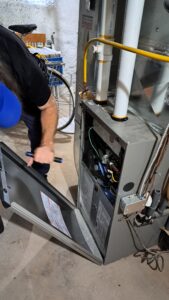
Equinox Furnace inspection
Heating performance and equipment condition vary widely across the region, especially in older homes where past repairs may not meet current standards. When a furnace appears near the end of its service life, buyers should budget for replacement. Regular professional evaluations can help determine the optimal timing for upgrades or maintenance to maintain efficiency and safety.
Air conditioning and heat pumps
Central air conditioners and heat pumps are increasingly common in Kingston and area homes, and both can develop issues that may be detected during an inspection. I look for obvious signs of wear, such as damaged fins on the outdoor condenser, deteriorated refrigerant line insulation, and units that are out of level due to shifting pads. Excessive noise, vibration, or short cycling can indicate mechanical problems or a low refrigerant charge.
Heat pumps require proper airflow and correct sizing to perform well in our climate. Blocked intake or exhaust on cold-climate units, damaged coils, or clogged filters can reduce efficiency. Inside the home, I check the air handler or furnace interface for leaks, electrical problems, and poor condensate management. Water below the air handler or rust in the secondary pan often indicates a drain issue.
If a system is more than 12 to 15 years old, shows signs of heavy wear, or is not operating as expected, I recommend having a licensed HVAC technician complete a full assessment. Properly installed and maintained, modern heat pumps can be an efficient upgrade for many homes in the region, providing peace of mind and reliable comfort.
Inspection issues with fireplaces, wood stoves, and solid fuel heating systems
Many rural and village homes rely on wood-burning appliances for primary or supplemental heat. These systems require regular maintenance and safe installation practices.
Common concerns include creosote buildup, cracked or missing firebricks, insufficient clearances, missing heat shields, outdated appliances, incorrect venting, and shared flues. Insurance companies typically require a WETT inspection for any wood-burning appliance in active use.
If concerns arise with a fireplace or wood stove, a W.E.T.T.-certified technician (Wood Energy Technology Transfer) should complete a full evaluation.
For buyers who enjoy heating with wood, a clean WETT inspection report and a properly maintained chimney provide peace of mind. Regular sweeping, burning dry wood, and following the manufacturer’s recommendations go a long way toward keeping these systems safe and efficient over the long term.
Chimneys, liners, and venting system inspection issues
Masonry chimneys are typical throughout Kingston, Barriefield, Bath, and rural areas. Many have been in service for decades without significant updates.
I often find cracked or deteriorated clay tile liners, eroded mortar joints, loose bricks, missing rain caps, rusted metal, and flashing that no longer seals the roof properly. Water entering around chimneys is a frequent cause of ceiling staining and attic moisture. Older chimneys that vent modern gas appliances may not meet current safety requirements.
If chimney deterioration or liner damage is found, a qualified chimney specialist should review the system.
Relining older chimneys, repairing masonry, and improving caps and flashing are all part of extending the life of these structures. Addressing chimney concerns early can prevent more expensive repairs later and reduce the risk of water damage spreading into ceilings, insulation, and wall cavities.
Using this information as a buyer or seller
The issues described here are common patterns, not automatic deal breakers. Almost every home has some combination of aging components, moisture risks, and systems that would benefit from upgrading. A detailed inspection is about understanding the home’s current condition, what needs to be addressed now, and what can be planned for down the road.
Buyers can use this information to compare homes and realistically budget for future work. Sellers can use it to decide which repairs or improvements will make their home more attractive and reduce surprises during negotiations.
Frequently Asked Questions
Do I need a home inspection on a newer home?
Yes. Even newer homes can have grading problems, missing insulation, malfunctioning HRVs, and construction issues that may not be visible without a detailed inspection. An inspection provides a baseline understanding of the home’s condition near the start of its life.
How long does a typical inspection take?
Most inspections take between two and three hours, depending on size, age, and complexity. Heritage homes, rural properties, and homes with outbuildings may take longer. After the site visit, additional time is spent preparing a clear, detailed written report.
Is a pre-listing inspection worth it for sellers?
A pre-listing inspection can reduce surprises during negotiations, help sellers address issues early, and give buyers greater confidence in the property. It also allows sellers to decide whether to repair certain items, adjust the price, or disclose the findings so buyers can plan for future work.
What are the issues with knob-and-tube wiring or aluminum wiring?
Yes. Knob and tube wiring has no grounding, uses cloth insulation that becomes brittle with age, and was designed for much lighter electrical loads. Many insurers refuse coverage unless it is replaced or properly decommissioned. Aluminum wiring can loosen at connections if not terminated correctly, and mixed copper-aluminum circuits need proper connectors. Many insurers now require ESA inspections and, in some cases, electrical upgrades to eliminate these inspection issues before providing or renewing a policy.
What is the most common issue you find?
Moisture. Whether from poor drainage, inadequate ventilation, plumbing leaks, or foundation seepage, moisture is often at the root of larger repair concerns. Identifying and dealing with the issue early usually prevents more serious problems later.
Are pest infestations a common inspection issue here?
Yes. I document signs of activity, entry points, and visible damage from rodents, insects, and other pests. If the issue requires further evaluation or treatment, I recommend the appropriate pest control specialist.
Do heritage homes require different inspections?
The basic inspection process is similar, but the repair implications can vary widely. Work on heritage-designated homes may be subject to requirements under the Ontario Heritage Act. Understanding this early helps buyers budget appropriately and avoid unexpected limitations on future renovations.
How often should a fireplace or wood stove be inspected?
A WETT inspection should be done once a year if you use your wood-burning system regularly. Many insurance companies require ongoing inspections and proof of cleaning or maintenance. During a WETT inspection, the certified inspector checks your wood-burning appliance, chimney, and venting system to confirm they are installed correctly, operating safely, and meeting current industry standards.
Do you inspect for radon?
Yes. I take a preliminary radon reading in the basement during the inspection using a digital radon detector. This provides an early indication of whether levels may be elevated. Because radon levels fluctuate over time, a long-term test from a certified radon specialist is still recommended for a definitive result. If the initial reading is high, I advise arranging professional testing and discussing mitigation options with a qualified contractor.
Will all home inspection issues be discovered?
A home inspection is a detailed visual assessment, but it is not invasive. I do not open walls or move heavy furnishings, and some systems or components may not be obvious. The goal is to identify significant concerns, safety issues, and patterns that suggest hidden problems, and to recommend further evaluation where inspection issues appear.
Should I attend the inspection?
Yes, and I encourage it. Walking through the home together gives you a chance to ask questions in real time and see what I see. The written report is essential, but the conversation during the inspection often provides extra context and peace of mind.
Booking an inspection
If you are buying or selling a home in Kingston or anywhere in Eastern Ontario, a thorough inspection can help you make informed decisions. I bring local experience, thermal imaging, moisture testing, crawlspace assessment tools, and a clear understanding of inspection issues homes in this region face and perform.
If you need an inspection or have questions about a specific property, I can complete a detailed assessment and explain the results in plain language.
Don’t Miss These Guides:
Errors & Omissions Insurance
Moisture, Mould & Thermal Imaging